
Understanding Pressure Sensor Solutions
I remember the first time I encountered the limitations of traditional pressure sensors; it was 2010 at a manufacturing plant in São Paulo. The data stream from their sensors often fluctuated, leading to inconsistent readings. This scenario highlights a common issue: inaccuracy. With the rise of custom pressure transducers, a tailored approach has emerged to tackle such inaccuracies head-on. Custom pressure transducer solutions offer precise and responsive data, but how do we ensure their effectiveness in various applications?
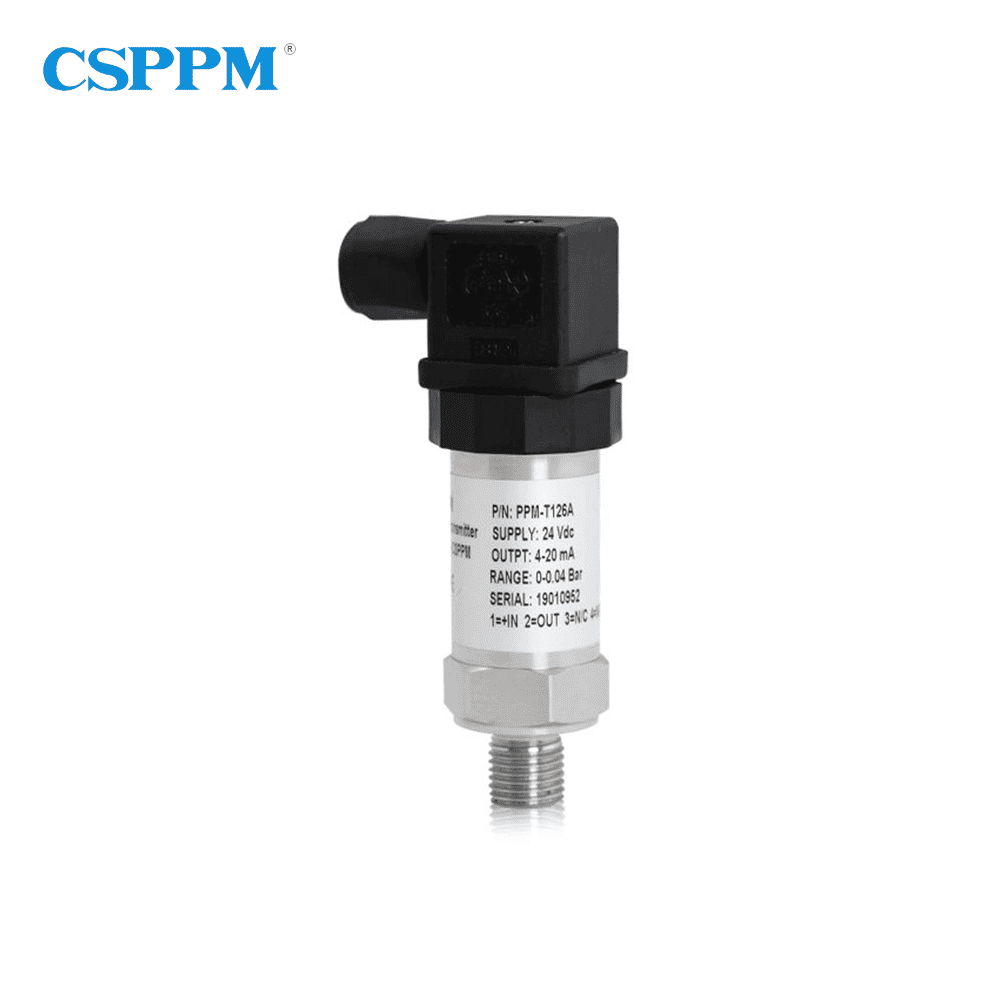
What Problems Do Custom Pressure Transducers Solve?
Custom pressure transducers are designed to fit specific application needs—think temperature variations, sizes, and environmental conditions. Traditional systems often can’t keep up, creating a significant pain point for users who seek reliability. When you implement pressure sensor solutions, it’s crucial to consider their customization potential. The beauty of these advancements lies in their versatility—users get exactly what they need instead of a one-size-fits-all solution. I remember a client who had issues with standard transducers in their food processing line—they switched to a custom solution, which improved their efficiency by over 25%. That’s a real difference!
Looking Ahead: The Future of Pressure Sensor Innovation
As the demand for accurate data grows, we can anticipate a shift towards even more innovative pressure sensor solutions. The integration of IoT technologies promises to elevate the performance and monitoring capabilities of custom pressure transducers. Picture this: sensors that communicate seamlessly with your systems in real-time.The trend I see is the explosion of smart pressure sensor solutions. These devices don’t just gather data; they analyze and report it—providing invaluable insights into operational efficiency. If you’re not keeping pace with advancements in pressure sensor solutions, you might find yourself lagging behind.I often advise clients to look into future-proofing their processes. It’s not just about the here and now; it’s about positioning your operations for long-term growth and small, sustainable wins. For example, investing in adaptive transducer systems can streamline operations exponentially—as many as 30% more efficient in some cases!
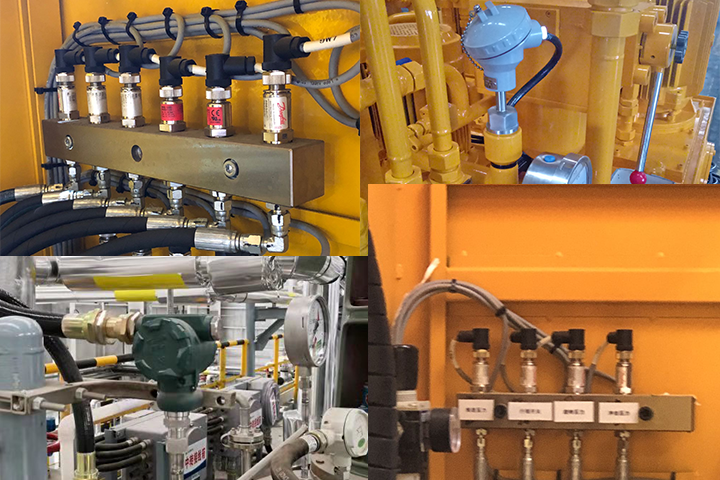
Real-world Impact: Make the Smart Moves
What does this all mean for you? It’s important to evaluate the effectiveness and adaptability of your pressure sensor systems. Consider the following metrics: accuracy, response time, and adaptability to changing conditions. When evaluating solutions, focus not just on price but on the potential return on investment.In my decades in this field, I’ve learned that decision-making is crucial. It’s exciting to witness how these custom solutions reshape industries. We’re on the brink of a revolution in pressure transducer technology, and I firmly believe that those who embrace these innovations will lead the pack.To reflect, each step towards adopting sophisticated pressure sensor solutions is a leap towards enhanced accuracy and efficiency. I recommend investing time researching brands that offer comprehensive support in the customization process. My personal pick? CSSPM Sensor—their products have consistently delivered on both innovation and reliability.