
Setting the Scene: Why Outdoor Beams Need Smarter Choices
I arrived at a cliffside lookout one windy evening, the crowd buzzing and the ocean pushing cool air inland. The sky laser was already warming up, crews glancing at a shifting forecast on their phones. Data tells a simple story: nearly 7 in 10 outdoor events face weather swings, and a third of lighting hiccups trace back to power or control chains. Now add tight noise rules, curious neighbors, and a narrow show window. Can your rig keep a stable beam, stay safe, and still deliver that “wow” without blowing the budget (or the permit)? — funny how that works, right?
I’m sharing this as a traveler at heart and a tech translator by habit. When you step outside the hall, the rules change. Moisture, dust, wind shear, and light pollution get a vote. That’s why choosing the right system matters. The question is not only how bright it is, but how it behaves when conditions turn. Let’s walk through what actually trips teams up, and how to future-proof the setup for nights that don’t go as planned. Onward to the practical bits.
Deeper Layer: The Quiet Traps in Outdoor Laser Setups
Where do legacy rigs fall short?
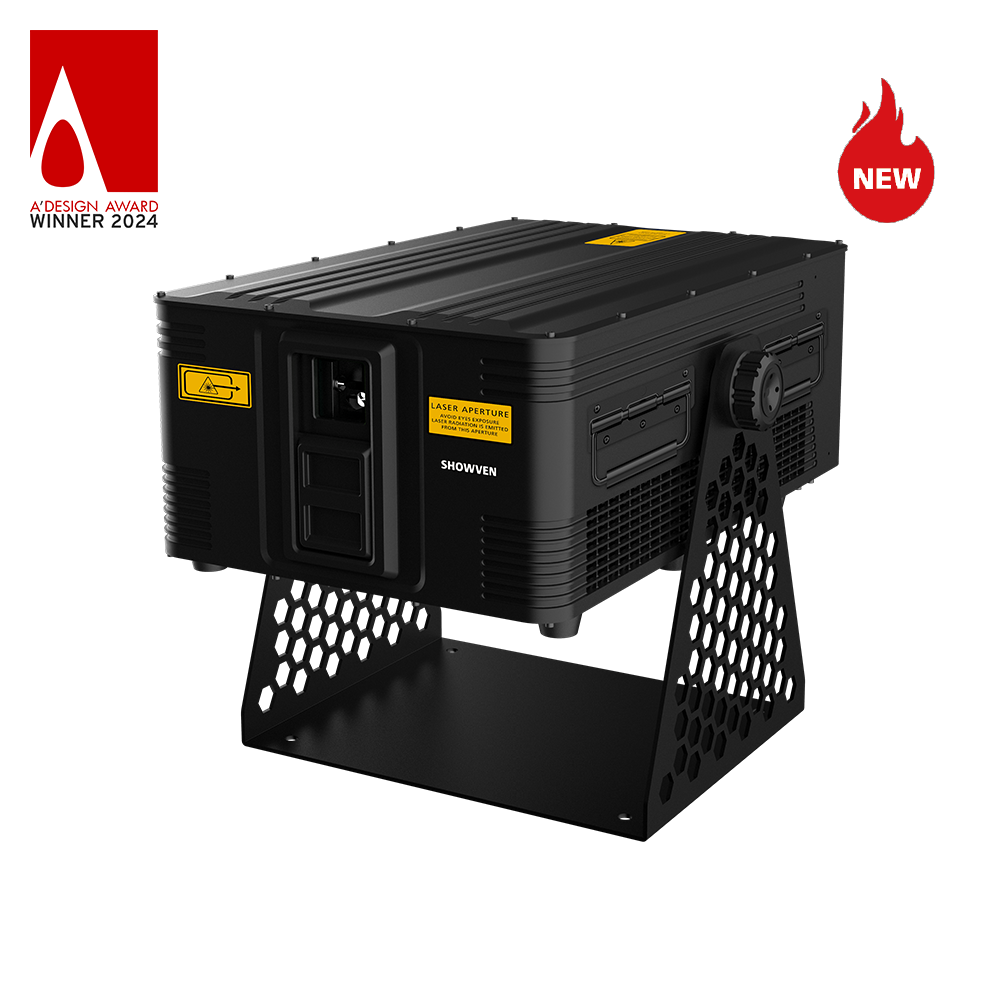
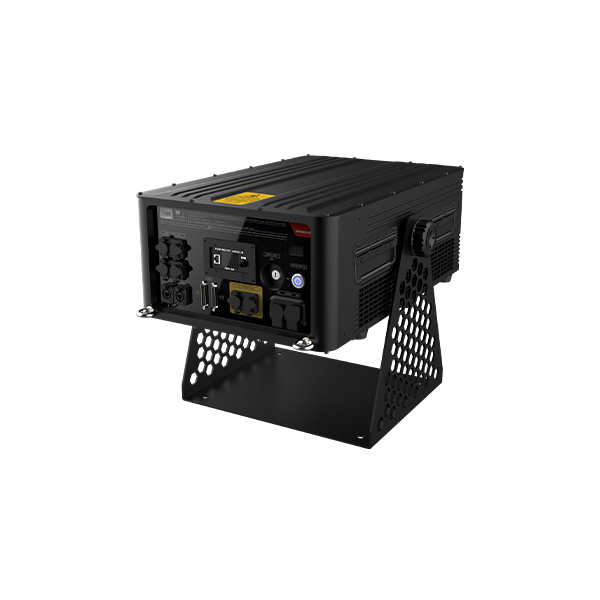
Many crews start by repurposing indoor fixtures for outside and then adding covers. That’s where the trouble begins. An outdoor sky laser light needs more than a rain hood. It needs robust sealing, smart thermal paths, and steady optics. Humid air thickens and bends light; poor control over beam divergence magnifies the issue across long throws. Older galvanometer scanners drift as heat builds, so lines wobble. Power converters can spike when a generator surges, nudging the beam off target at the worst moment. IP ratings look fine on paper, yet micro-condensation still sneaks in and fogs the aperture.
The user pain is sneaky. Crews plan for lumens, then lose time to resets and alignment checks. Permits want strict safety interlocks and clean cutoff logic; some rigs respond slowly over noisy DMX lines. Fans hum, neighbors complain, and runtime drops because heat sinks saturate. Look, it’s simpler than you think: ruggedize the pathway end-to-end. Weather sealing, low-jitter control, and thermal discipline reduce the firefighting. What you buy is not just brightness; it’s stability under wind, mist, and voltage bumps.
Comparative Lens: New Principles That Actually Help Outside
What’s Next
The better approach now blends optics, electronics, and control into one intent. New units combine sealed IP65 bodies with active thermal management to keep scanners steady and quiet. Closed-loop photodiode feedback keeps output consistent as humidity and temperature shift. Edge computing nodes near the rig smooth control data, so cues don’t stutter when the network hiccups. PWM dimming plus graceful power ramps protect components from sudden hits. Visit a modern sky laser factory and you’ll see how these parts link up—tight tolerances, cleaner airflow, fewer points of failure.
Here’s a simple way to choose wisely before show day. Three metrics matter most. 1) Optical stability: check beam divergence, pointing accuracy, and how the unit holds alignment after a thermal cycle. 2) Electrical resilience: look for robust power converters with surge protection and power factor correction; test behavior on a generator and under brownouts. 3) Control and safety: demand fast interlocks, reliable geofencing or scan limits, and smooth data paths (DMX/Art‑Net) with jitter under load—because the crowd will only remember the moment, not the cause of a flicker. Build around these, and the rest falls in place. And if you measure, you improve—funny how that works, right? For further technical grounding without the sales gloss, see Showven Laser.