
Introduction
Morning traffic thickens, delivery windows shrink, and the fleet manager checks the dashboard. The electric drive system sits at the heart of this daily balance between time, cost, and reliability. In many depots, teams now rely on an electric vehicle drive system to keep routes stable and service ratings high. Data from field logs shows that winter range can drop by 10–20%, and heat events nudge failure rates up if thermal management is weak. Yet costs also hide in small places (idle energy draw, stop‑start shock), and they add up. So, what is the precise path to better uptime and lower cost per kilometer?

Let us define the core quickly. An electric drive couples the traction motor, inverter, and power electronics to convert DC to controlled AC, and then turns that into smooth torque. With proper regenerative braking and a tuned motor control unit, waste heat drops and wear goes down. But even with a clean block diagram, real roads are not clean. Drive cycles shift minute by minute, and edge conditions—rain, cold, grade—strain the system. The question becomes simple: which parts of the stack shape reliability the most, and which parts only look efficient on paper? We move to the comparison next, step by step.
Hidden Friction in Legacy Architectures
Why do legacy designs fall short?
Legacy electric drive setups hide costs in plain sight. They often chase peak efficiency on a dyno, but miss transient spikes in city flow. Look, it’s simpler than you think: small timing gaps in the motor control unit cause torque ripple at low speed, and that ripple turns into vibration and driver fatigue. Older power converters run hot in summer and cold-soaked in winter, so thermal margins shrink. When the inverter derates to protect itself, vans slow down at the worst time—funny how that works, right? Fleet managers do not budget for that delay, yet they pay for it daily.
Then there is software plumbing. Mixed suppliers mean the CAN bus gets crowded with messages. A few late frames, and the traction response lags by a beat. It feels minor, but it increases brake use and reduces regenerative gain over a route. Over a quarter, that equals real money. Many teams also overlook harness loss and enclosure airflow, so heat builds near bearings and shortens life. In short, traditional fixes aim at one node and ignore the whole loop. A test bench can pass. The city still fails the system— and pushes service teams into weekend overtime.
Beyond the Bench: Principles That Change the Curve
What’s Next
The forward path is not magic; it is better physics, plus tighter control. New inverter stacks built on SiC MOSFETs cut switching loss, so torque commands track faster with less heat. Field‑oriented control improves low‑speed smoothness, which reduces torque ripple and cabin noise. Edge computing nodes near the drive can pre-process sensor data and keep the loop stable when the bus is busy. Compare this to older silicon and coarse control maps: the new path holds efficiency during transients, not only at a test point. It means fewer derates on hills and cleaner regen in stop‑start zones.
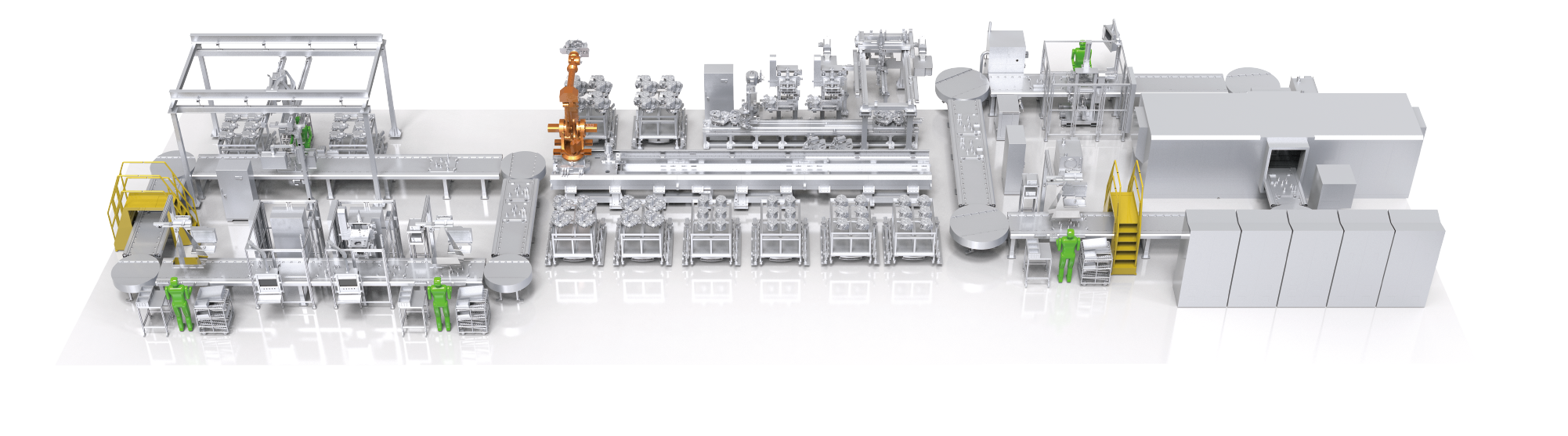
Let us tie this to real decisions. A modern electric vehicle drive system that unifies inverter, thermal management, and software calibration limits surprises. It aligns power electronics with cooling hardware, so components share the same duty cycle model. That reduces error in sizing and cuts weight, too. From Part 2, we saw that lag, heat, and ripple drive hidden cost. Here, the counter is clear: faster switching, smarter control, and integrated cooling. The result is steadier routes, fewer service flags, and better energy per stop. Small steps add up— and that changes the cost curve.
Before closing, three simple metrics help you choose well. 1) Thermal stability index under city duty cycles, not highway. 2) Transient response time from torque command to wheel torque at low speed. 3) Regen capture percentage over a mixed route with accessories on. Measure these with the same route map, weather, and payload, and decisions become calm and data-based. If you keep to these checks, the rest follows with less drama. For teams comparing platforms, consistency beats any single “peak” score. For further technical reading and process context, you may consult LEAD.