
A Little Mix-Up, A Big Idea
You walk into a meeting, and two people have swapped seats; the name cards don’t match, and everyone looks lost. In the next room, a digital name plate glows softly and updates by itself. At busy events, seat changes can hit 20%, and mislabels can cost minutes that feel like hours—plus, nerves rise fast. So, what if we treat seating like a tiny data problem with smart tags, not paper tents? With simple radio links and low-power chips, even small rooms can sync quickly without fuss (and without running around). Are we ready to make names right the first time, and every time? Let’s roll into the deeper issue and see where old habits stumble—and how to fix them.
Hidden Friction: Why Conference Name Systems Still Trip Us Up
Where do old methods break?
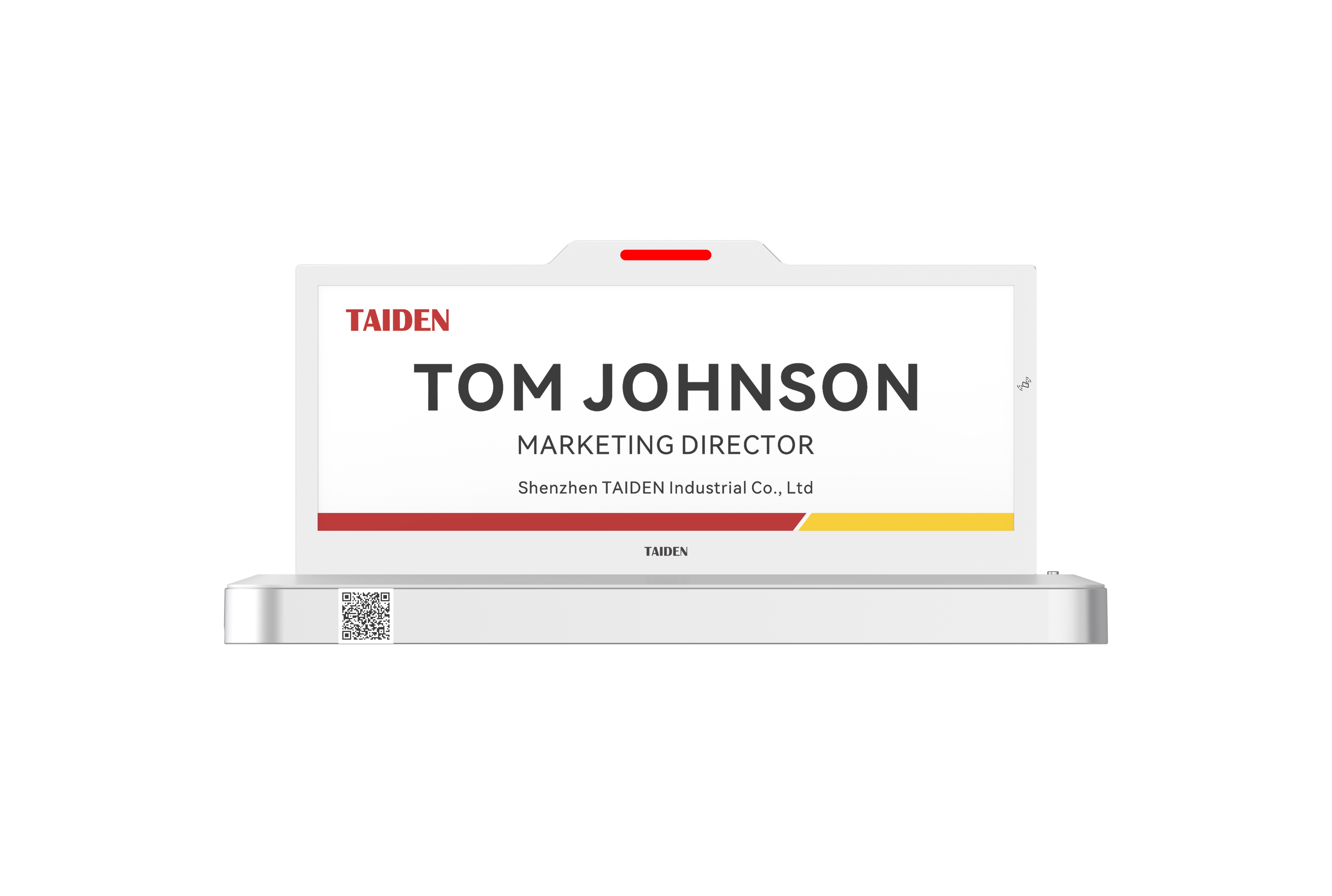
An electronic nameplate for conference sounds like a neat upgrade, but let’s zoom in on the real pains it solves. Paper cards depend on people; they’re slow to change, easy to misplace, and hard to audit. When a VIP arrives late, staff sprint, and latency goes up before the meeting even starts. Technical rooms add new problems: RF interference near Wi‑Fi access points, long tables with messy cables, and different power sources that strain power converters. Add in language variants and name order rules, and the friction grows—funny how that works, right? Look, it’s simpler than you think: the pain isn’t just the label; it’s the workflow, from check‑in to seating to live edits. If changes can’t propagate in seconds, people wait.
There’s also compliance. Some boards need a record of who sat where, and when. Paper can’t log that. A networked system with light edge computing nodes can. But not all “smart plates” are equal. Some rely on a single tablet; if it crashes, the labels freeze. Others need a laptop plus drivers and fussy firmware versions—too brittle for busy staff. Power is another trap: USB hubs can sag under load, and a PoE switch that’s mis-sized can cause resets mid-session. The result is jitter, not calm. A strong solution should decouple updates from the presentation PC, keep a small local cache, and confirm each device’s state—so seat changes land, even if the network hiccups.
Comparative Outlook: Principles That Make the Upgrade Really Work
What’s Next
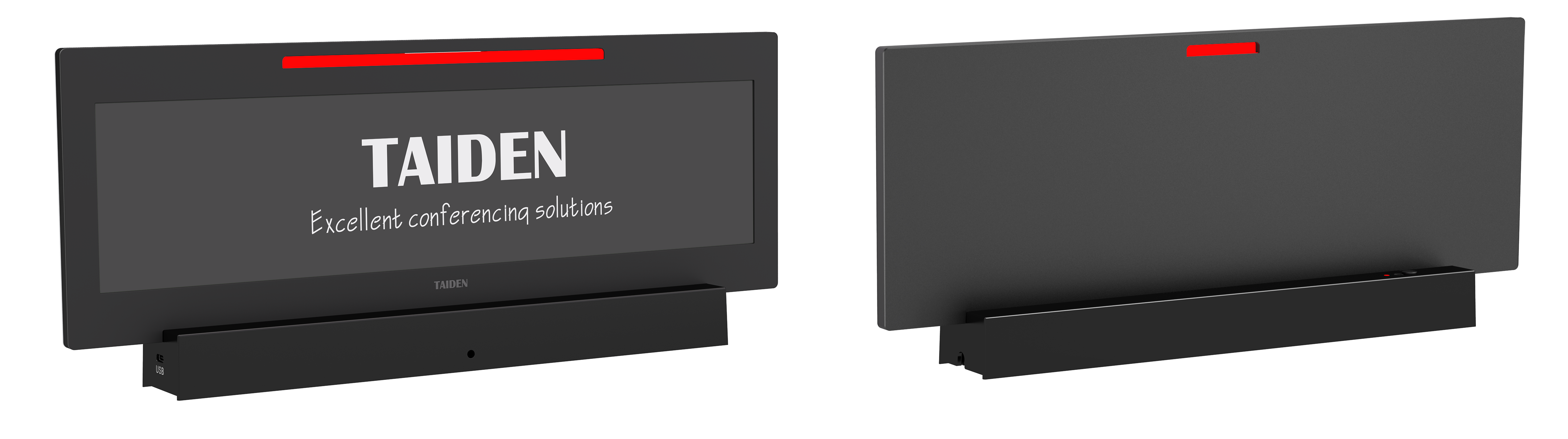
Let’s compare two paths. On one side, “digital in name only” systems that still act like paper, just with screens. On the other, designs built on new technology principles: ultra-low-power SoCs, resilient messaging, and displays that hold an image with no drain. An e-paper display is a quiet hero here—it keeps the name visible even when power blips, and it sips energy between updates. Pair that with a lightweight protocol that retries quickly (not endlessly), and your labels feel instant without flooding the air. Add per-device ACKs, and staff see green lights, not guesswork. Compared to tablet mirroring, a mesh or star network can localize faults, so one bad node doesn’t sink the row. That reduces perceived latency and calms the room—because speed we trust beats speed we can’t see.
We can also look forward. Think auto check‑in that links badges to seats, then syncs to the front console and the minutes—no double typing, no mispronounced names. Firmware updates roll out off-hours, not during coffee breaks. Content templates handle bilingual names and long titles without manual resizing. And yes, cable sanity: one clean backbone using PoE, fewer adapters, fewer weak links. In short, the earlier pain points—manual edits, fragile control apps, power hiccups—get traded for stable building blocks and clear feedback. To choose well, use three simple metrics: 1) Update reliability under RF noise (measured by success rate and retry count); 2) Power stability across a full table run (watch peak draw and thermal behavior); 3) Admin workload from check‑in to change log (time-on-task and error rate). If a system scores high on those, your meetings get smoother, lighter, kinder—to staff and guests. That’s how the right platform turns a small label into a big win, with partners like TAIDEN contributing proven building blocks.